
Financial Complexity: the articles.
Everything on the blog filed under Financial Complexity, newest first, with the practice page it belongs with.
- 01Who Pays the Attorney Fees in a Colorado Divorce?
- 02Rule 16.2 and the Five-Year Window
- 03Dividing Retirement Accounts in a Colorado Divorce Without Blowing Them Up
- 04RSUs, Bonuses, and Deferred Comp in a Colorado Divorce
- 05Separate Property Is a Filing Habit, Not a Legal Status
- →Complex Financial Divorce, the practice page

"I can't afford to fight — my spouse controls all the money." Colorado's fee-shifting statute exists for exactly that situation: it lets the court order one spouse to fund the other's representation so the case turns on the merits.…

Colorado gives courts five years after a decree to reallocate assets when a spouse's disclosures turn out to have been materially false. That clock changes the arithmetic of concealment.…
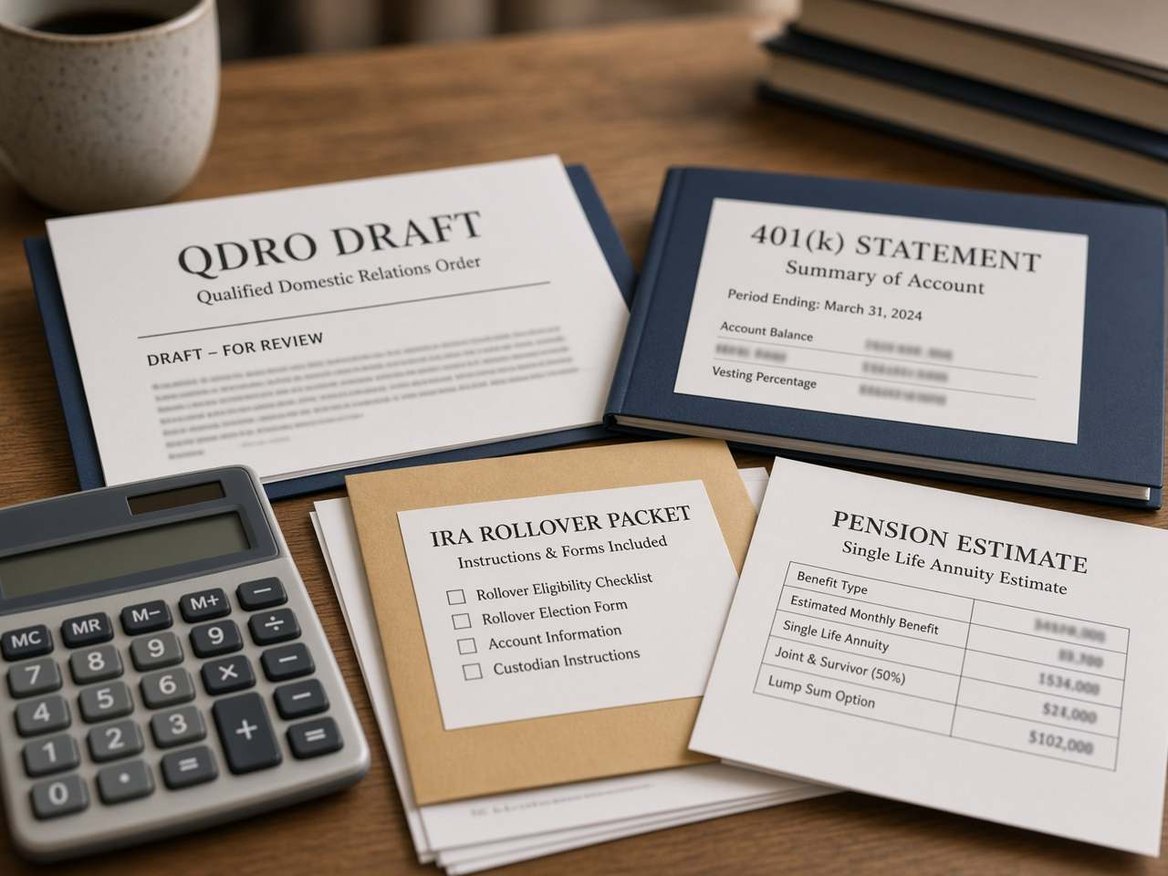
Retirement accounts are often the largest marital asset and the most commonly mishandled. QDROs, Colorado PERA, the time-rule formula, and survivor benefits each carry drafting traps that cost real money.…

Executive pay does not fit neatly into "property" or "income." Colorado law apportions unvested equity, allocates bonuses to when they were earned, and expects counsel to keep the same dollar from being counted twice.…
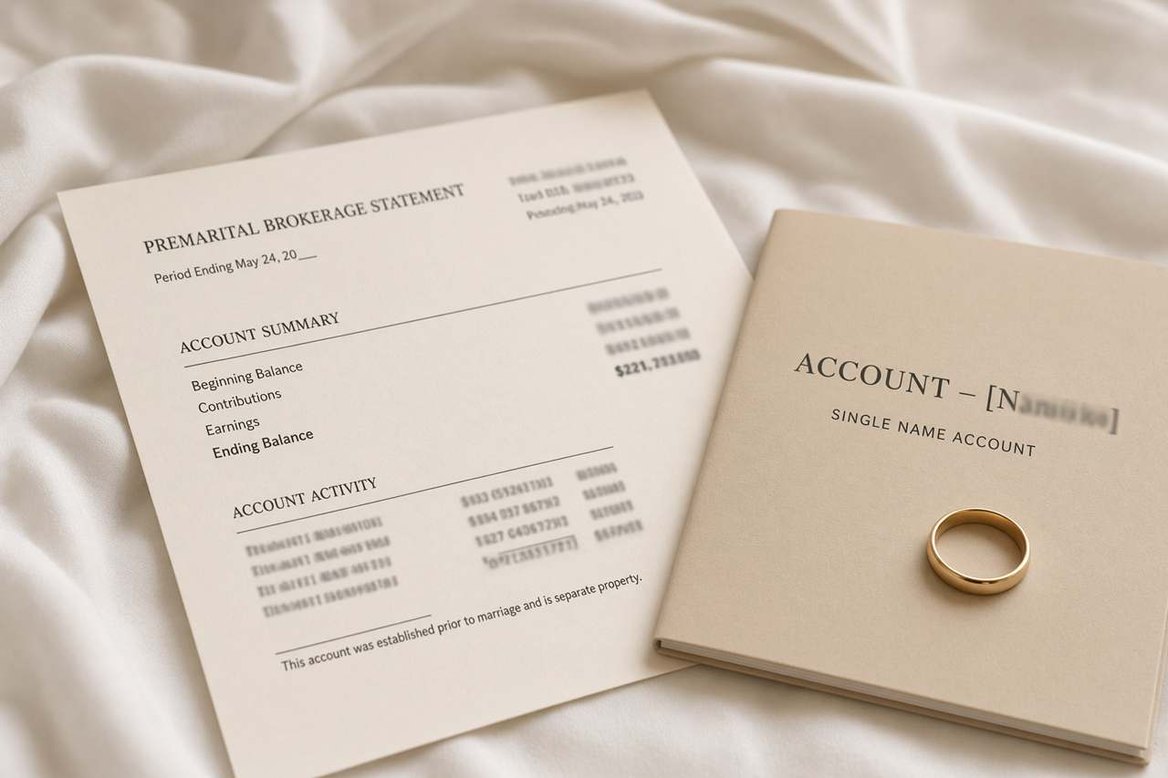
What you owned before the marriage, inherited, or were given can stay yours. Most claims to it are lost through ordinary household habits rather than through anything a court decided.…
Start with a confidential conversation.
A consultation is a working session, in person in Greenwood Village or by video: we go through your situation and I tell you what I would do. One fixed fee, quoted when we schedule. Your note reaches me directly; my assistant runs the conflicts check and books the meeting.